+92-328-7350001

A bone or cartilage rasp used to smooth or reshape surfaces during orthopedic and rhinoplasty work. Cross-cut teeth give controlled abrasion.
A double-ended septum elevator used to lift mucoperichondrium off nasal septum cartilage and bone during septoplasty.
A rhinoplasty instrument used for controlled bone or cartilage work on the nose. The working end is contoured for narrow nasal exposures.
A bone or cartilage rasp used to smooth or reshape surfaces during orthopedic and rhinoplasty work. Cross-cut teeth give controlled abrasion.
An aluminium alloy tuning fork used for bedside hearing and neurologic examination, providing calibrated vibration for Rinne and Weber tests.
An ENT instrument designed for removal of adenoid tissue from the nasopharynx. The angled working end allows blind adenoidectomy through the mouth.
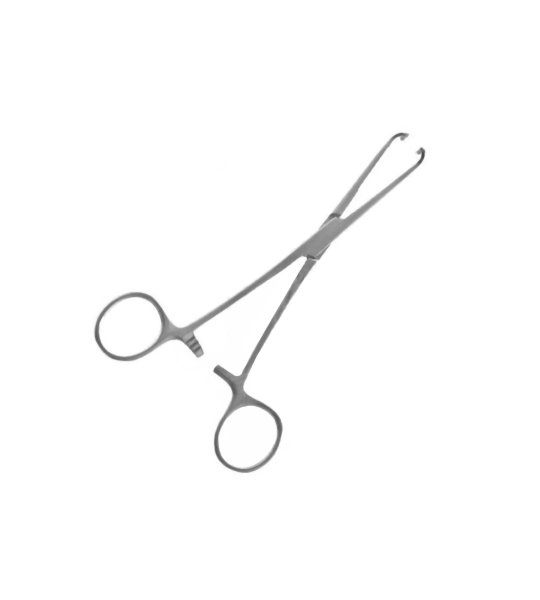
A grasping forceps used to hold, retract, or manipulate tissue during surgery. Jaw geometry is matched to the intended tissue type.
A fine-tip tissue forceps used in delicate dissection where the surgeon needs firm, controlled grip of skin edges or subcutaneous tissue. Narrow jaws minimise tissue trauma.
A fine-tip tissue forceps used in delicate dissection where the surgeon needs firm, controlled grip of skin edges or subcutaneous tissue. Narrow jaws minimise tissue trauma.
A fine-tip tissue forceps used in delicate dissection where the surgeon needs firm, controlled grip of skin edges or subcutaneous tissue. Narrow jaws minimise tissue trauma.
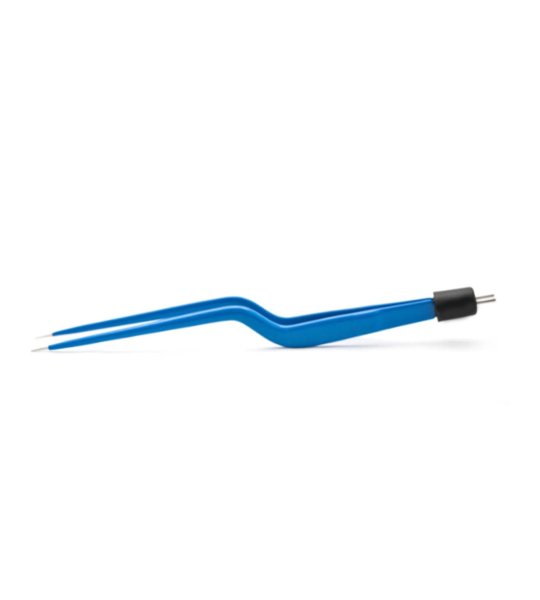
A bayonet-style dressing forceps with an offset shaft used in neurosurgical and deep-cavity work so the surgeon's hand does not obstruct the operative view.
A tissue-holding forceps with multi-toothed jaws used to grasp tough or slippery tissue such as fascia, breast, or intestinal wall. Toothed tips provide firm purchase without excessive crushing.