+92-328-7350001

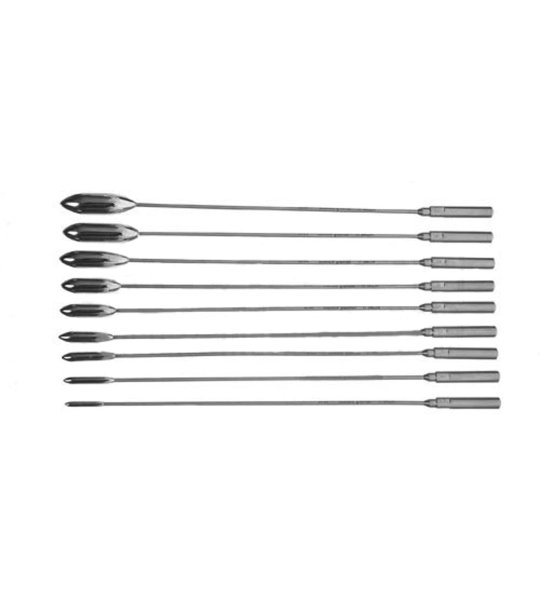
A set of graduated blunt dilators used to progressively enlarge the common bile duct during biliary surgery.
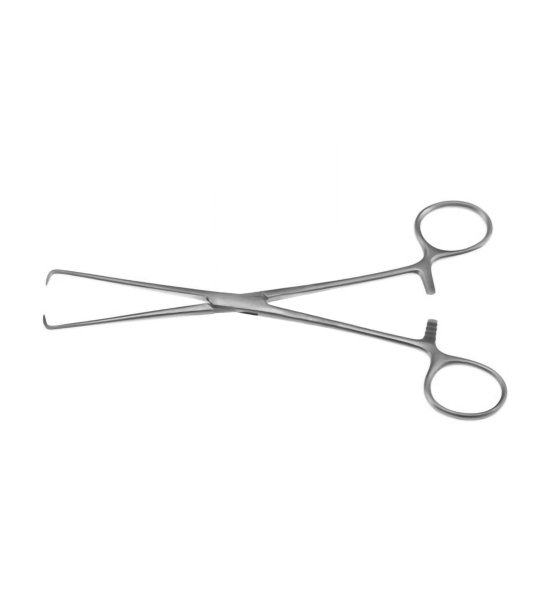
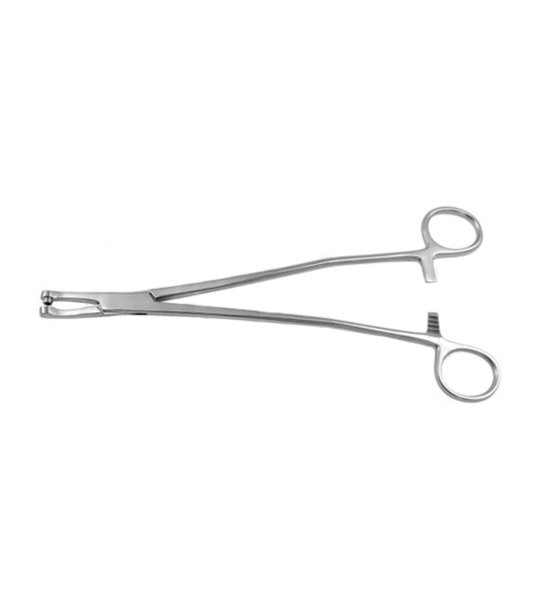
A single- or double-toothed grasping forceps used to seize and stabilise the cervix during gynecologic procedures.
A specialised separator used during pyloroplasty to define the pyloric layers for controlled incision.
A gynecologic dressing forceps with double-curved shafts used to introduce medications or dressings into the uterine cavity.
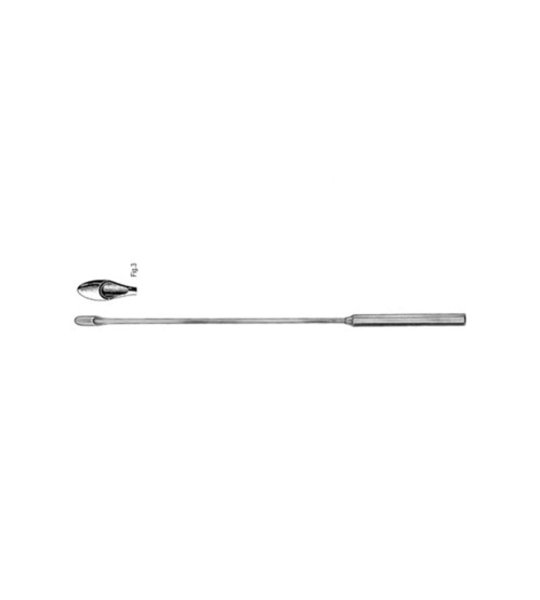
A curved scoop used during biliary surgery to remove gall stones from the gallbladder or common bile duct.
A gynecologic instrument used within the uterine cavity for grasping, dissection, or curettage during obstetric and gynecologic procedures.
A spoon-shaped instrument with a sharp or blunt cup edge used to scoop out soft tissue, cartilage, or cancellous bone from a cavity.
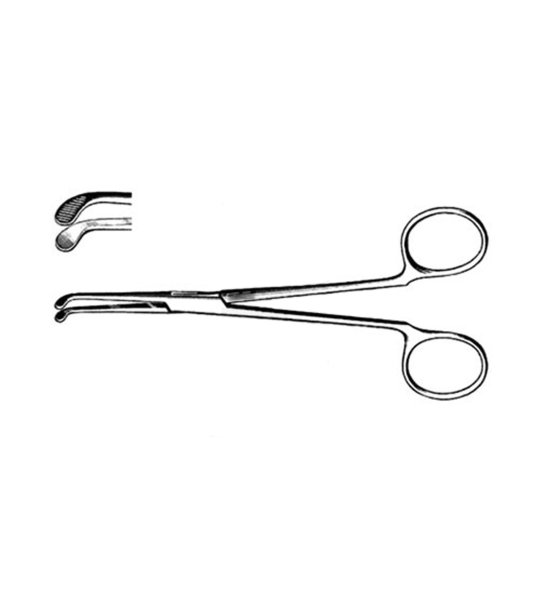
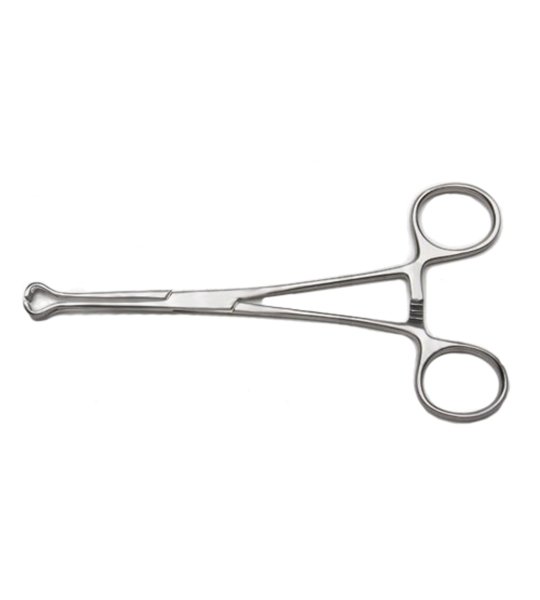
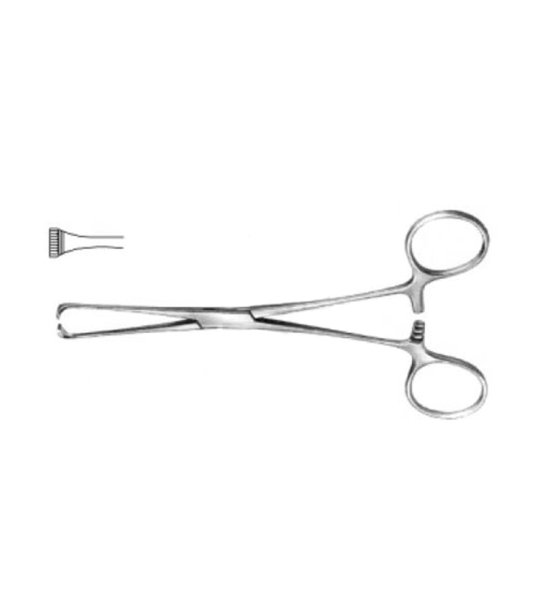
An atraumatic grasping forceps with fenestrated triangular jaws used to hold delicate structures such as bowel or fallopian tube. The broad tip distributes pressure to avoid tearing tissue.
A grasping forceps used to hold, retract, or manipulate tissue during surgery. Jaw geometry is matched to the intended tissue type.
A tissue-holding forceps with multi-toothed jaws used to grasp tough or slippery tissue such as fascia, breast, or intestinal wall. Toothed tips provide firm purchase without excessive crushing.
A grasping forceps used to hold, retract, or manipulate tissue during surgery. Jaw geometry is matched to the intended tissue type.
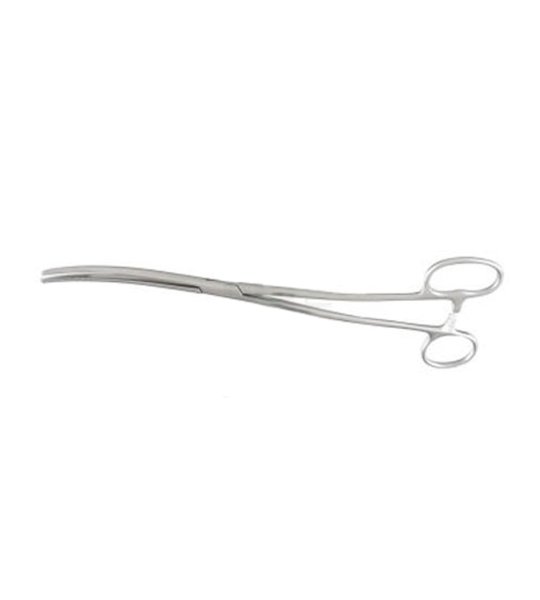
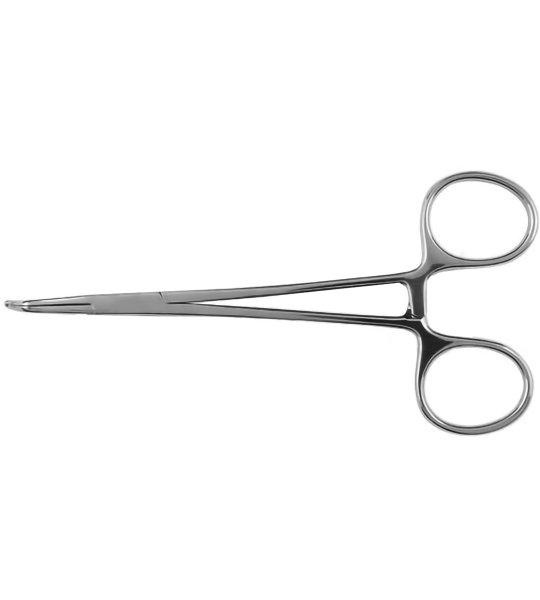
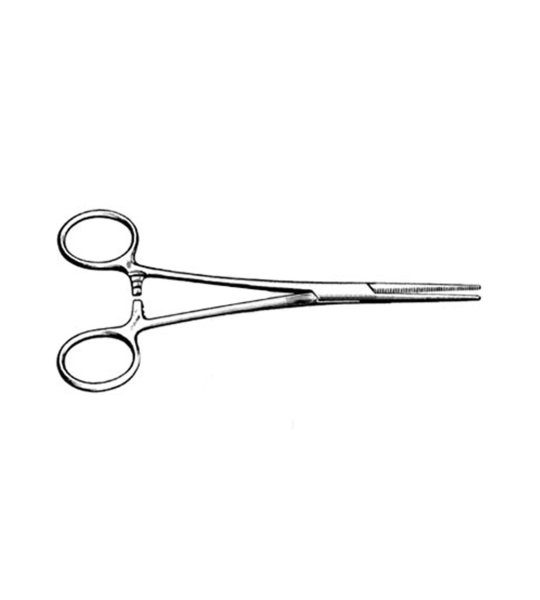
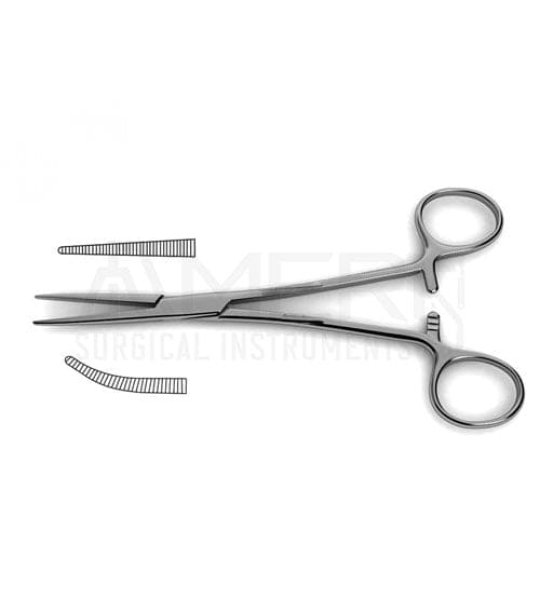
A general-purpose hemostatic forceps used to clamp bleeding vessels and secure suture ligatures. Fully-serrated jaws provide a stable, controlled grip on tissue.