+92-328-7350001

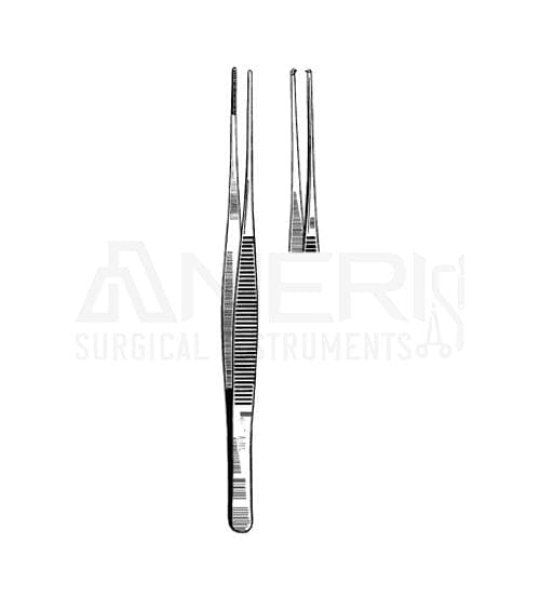
A bayonet-style dressing forceps with an offset shaft used in neurosurgical and deep-cavity work so the surgeon's hand does not obstruct the operative view.
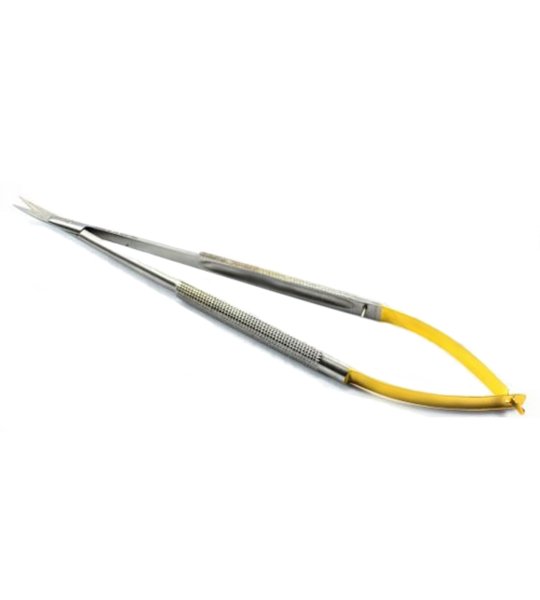
A precision surgical scissors used for dissection or trimming of tissue and sutures. Balanced action and matched blades give clean, controlled cuts.
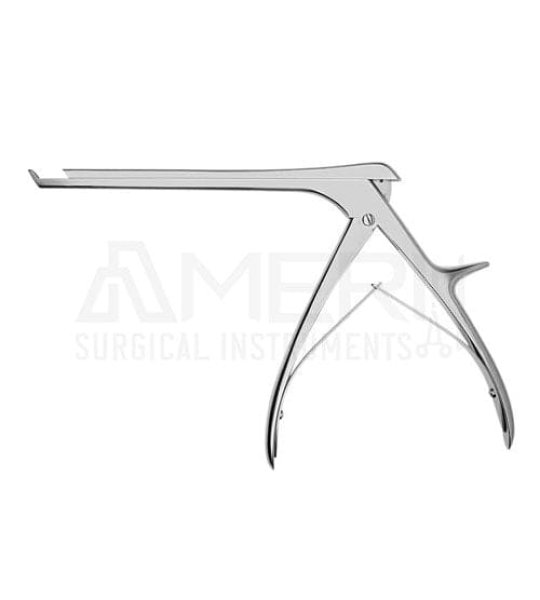
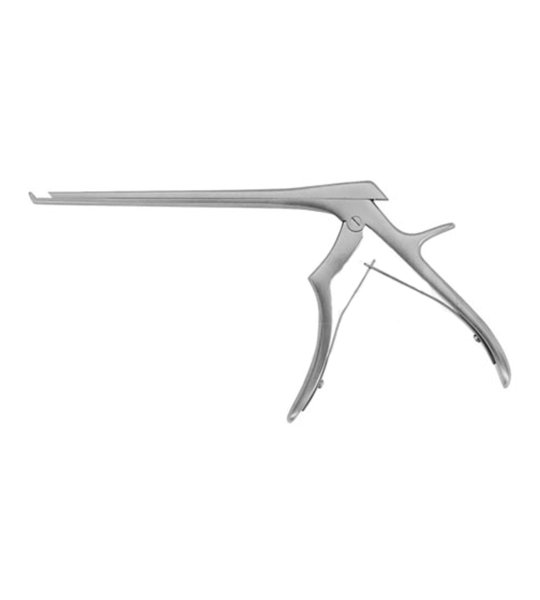
A punch-style rongeur used to remove bone during spinal or cranial decompression. The angled up-cutting jaw takes a controlled bite so the surgeon can enlarge a bony window without disturbing adjacent tissue.
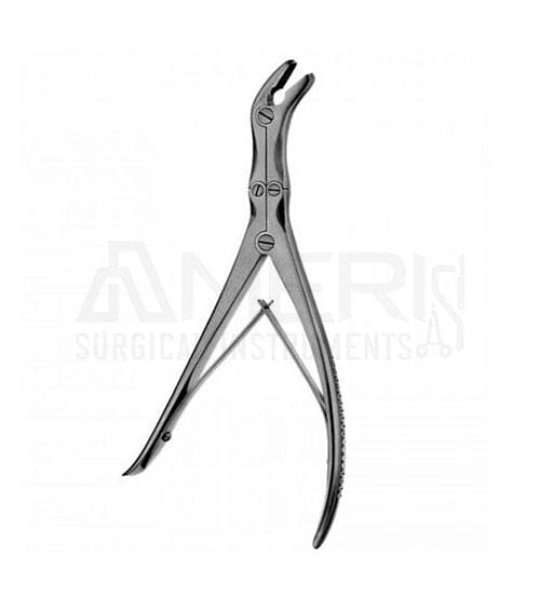
A heavy-jaw bone rongeur used in orthopedic and spinal procedures to nibble away cortical bone. Curved jaws let the surgeon work along a bony margin while maintaining a clear line of sight.
A speculum used to hold tissue apart for examination or during surgery. Adjustable or fixed-opening designs suit different anatomic sites.
A spoon-shaped instrument with a sharp or blunt cup edge used to scoop out soft tissue, cartilage, or cancellous bone from a cavity.
A punch-style rongeur used to remove bone during spinal or cranial decompression. The angled up-cutting jaw takes a controlled bite so the surgeon can enlarge a bony window without disturbing adjacent tissue.
A fine ophthalmic scissors used during blepharoplasty to trim skin, muscle, and orbicularis fibers around the eyelid with precision.
A small fine-tip scissors originally designed for ophthalmic work, now widely used across surgical specialties for precise cutting of delicate tissue and sutures.
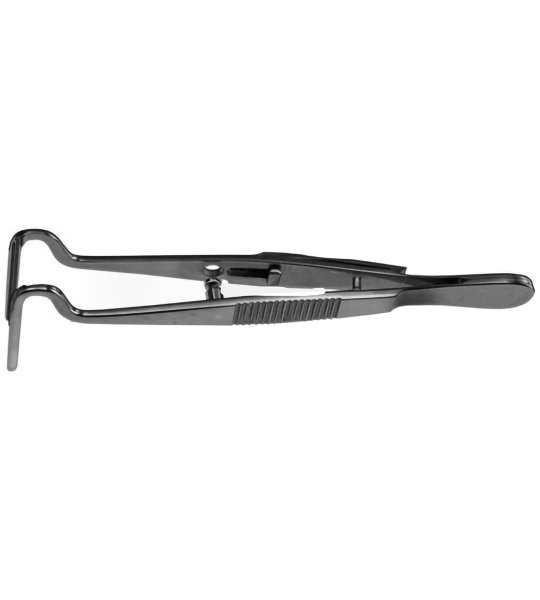
A ptosis forceps used to grasp and elevate the tarsal plate during ptosis-repair surgery, holding the eyelid at a precise level for suture placement.
A fine tissue forceps with 1x2 delicate teeth used for grasping conjunctiva and thin ophthalmic tissue with minimal trauma.
A precision surgical scissors used for dissection or trimming of tissue and sutures. Balanced action and matched blades give clean, controlled cuts.